
Guide · Gifting
Matcha gift guide: how to choose a matcha gift that gets used
How to choose a matcha gift that gets used: match it to the person, what goes in a proper matcha set, how to check the tea, ceremonial or culinary, how many bowls in each size, freshness, low caffeine options and what to skip.
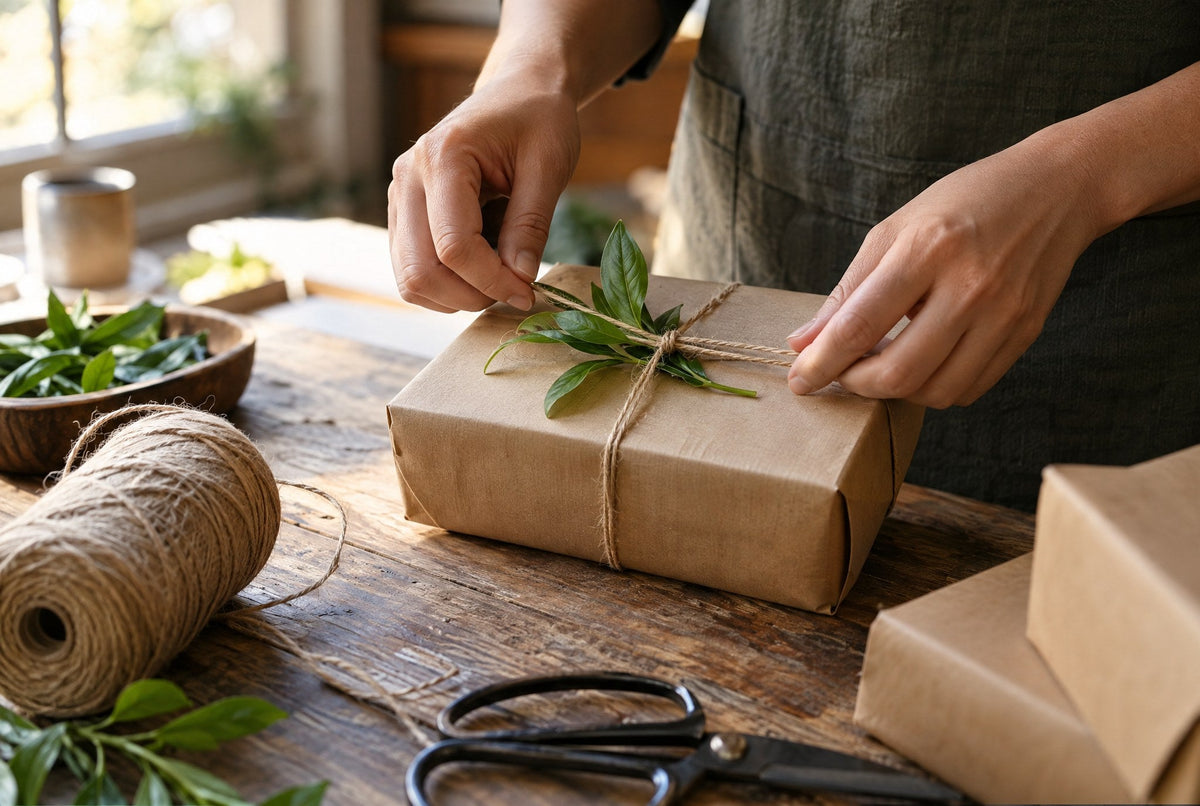
Guide · buying matcha as a gift
The matcha gift guide.
The best matcha gift is the one that gets used. That means matching it to how the person actually drinks matcha, making sure the tea inside is good, and giving it fresh. This guide shows you how to choose for a beginner, a daily latte drinker or a purist, what goes in a proper matcha set, how to spot a poor tea in a pretty box, and what to skip.
 ToolsReady to give
The short answer
Choosing a matcha gift in eight points.
- Never made matcha? Give a set: a bamboo whisk, a bowl, a scoop and a can of matcha. Tools without tea is half a gift.
- Drinks lattes? Give matcha made for milk. A purist's tea gets lost in a latte.
- Already has the tools? Give better or more tea, or a spare whisk. Whisks wear out.
- Check the tea: a named origin, a harvest, organic certification and published lab results.
- Colour tells you a lot: good matcha is a vivid green, not yellow or khaki.
- Give it fresh: heat and time dull matcha. Buy close to the day and keep it cool.
- Caffeine: 60 to 70 mg in a 2 g serve of ceremonial matcha. For evenings or sensitive drinkers, give hojicha.
- Say it: matcha is ma cha, a fine powder of shaded green tea leaf that you whisk and drink whole.
1. Who it's for
Match the matcha gift to the person.
Most gift lists start with the product. Start with the person instead. How do they drink matcha now, or how would they? The answer picks the gift for you.
| If they are… | Give | Why | Skip |
|---|---|---|---|
| Curious, never made it | A full set: whisk, bowl, scoop and a can of ceremonial matcha | They need the tools and a tea good enough to drink with water, so the first bowl tastes right | Tools on their own, or a sampler of flavoured blends |
| A daily latte drinker | Matcha built for milk, in a size they'll finish | Milk mutes delicate tea. A stronger, culinary style matcha keeps its flavour | A premium tea for whisking with water only |
| A purist who whisks it straight | A single origin or single cultivar ceremonial matcha | They already own the tools and will taste the difference in the tea | Another starter kit |
| A coffee drinker switching | Ceremonial matcha plus a whisk | Matcha has caffeine but a gentler lift, and the ritual replaces the espresso habit | Instant matcha mixes with added sugar |
| Sensitive to caffeine, or drinks tea at night | Hojicha, roasted green tea | 16 to 30 mg caffeine in a 2 g serve of powder, against 60 to 70 mg for ceremonial matcha | A big can of ceremonial matcha |
| Someone who has everything | A spare whisk, or a collection of several Japanese teas | Whisks wear out, and most matcha drinkers have never tried sencha or genmaicha side by side | Novelty matcha merchandise |
2. What's in a set
Five things make a matcha set.
Matcha doesn't dissolve. It is whisked into suspension, which is why the tools matter more than they do for any other tea. A good set covers these five. Anything else is decoration.
- Chasen, the whiskA bamboo whisk (cha sen) carved from one piece of bamboo into fine tines. It is the one tool that is hard to replace with something from the kitchen drawer.
- Chawan, the bowlA wide bowl (cha wan) with room to whisk in a zigzag. A cereal bowl works, but a mug doesn't.
- Chashaku, the scoopA bamboo scoop (cha sha koo). One heaped scoop is roughly 1 g (about half a teaspoon).
- Kuse naoshi, the holderA ceramic whisk stand (koo seh nah oh shee). It lets the whisk dry in shape, so it lasts longer.
- The matchaThe part most sets get wrong. A beautiful bowl with a stale or low grade tea is a disappointing first cup.
Where good whisks come from. Almost all of Japan's bamboo tea whisks are made in Takayama, in Ikoma City, Nara Prefecture, where the craft is recognised as a national traditional craft. Each whisk is split by hand into somewhere between 60 and 240 tines, depending on the style. More tines make a finer foam.
Whisks are consumables. Bamboo tines soften, splay and eventually snap. That makes a replacement whisk one of the few gifts every regular matcha drinker will use, even if they already own a set.
A sifter is useful, not essential. Matcha clumps in humid weather. A small fine mesh tea strainer does the same job as a dedicated sifter.
The Teafy set. The Teafy matcha whisk set, pictured at the top, is made in Japan and comes boxed. Inside the box: a bamboo chasen whisk with 100 to 120 prongs, a bamboo chashaku scoop, a ceramic matcha bowl and a ceramic whisk holder.
3. Check the matcha
Six things to read on the can.
Gift sets are where weak matcha hides. The box is lovely, the tea is anonymous. Before you buy, look for these. If a seller can't tell you, that is your answer.
- A named origin. “Product of Japan” at minimum. A prefecture such as Shizuoka, Kyoto (Uji) or Kagoshima is better. A single farm is best.
- A harvest. Spring first flush, the first picking of the year, gives the sweetest, most savoury matcha. Later harvests are more bitter.
- Shading. Matcha leaf is shaded for weeks before picking, which raises the savoury amino acids and the green. Teafy ceremonial matcha is shaded for 25 days.
- Organic certification. Look for a certifier's mark: JAS (Japan), USDA (US), EU or Canada Organic. Teafy's farm is certified for all four.
- Published lab results. Ask for heavy metal numbers, not just “tested”. Teafy ceremonial matcha tested at 0.067 mg/kg lead in March 2026, and every result is published.
- A batch code or date. You want to know when it was milled. Every Teafy pack carries a batch code linked to the harvest, mill date and lab report.


Use your eyes. Colour is the quickest check you can make in a shop. Shading and careful storage keep matcha a bright jade green. Dull, yellowish or brownish powder is usually a later harvest, old stock or tea that has been kept warm. Our 2026 lab results for every Teafy tea show what published testing looks like.
4. Ceremonial or culinary
Ceremonial or culinary: which makes the better gift?
“Ceremonial” isn't a regulated grade. Any seller can print it on a can. What matters is what the tea is built for. Here is how the Teafy range splits, so you can read other labels the same way.
| Ceremonial matcha | Kyoto Uji ceremonial, Okumidori | Superior culinary matcha | |
|---|---|---|---|
| Grown | One sixth generation family farm in Shizuoka | Uji, Kyoto | Three organic farms: Shizuoka, Kagoshima, Miyazaki |
| Leaf | Spring first flush, hand picked, shaded 25 days, single cultivar | Okumidori cultivar, very high in L theanine | A blend |
| Milled | Stone milled in Japan | Milled in Japan | Bead milled in Japan |
| Built for | Whisking with water, and lattes | Whisking with water | Lattes, iced drinks and baking |
| Best gift for | A beginner's first set, a coffee switcher | A purist who already owns the tools | A daily latte drinker or a baker |
The safe choice. If you don't know how they drink it, give a ceremonial matcha that also works in milk. It is good enough to drink with water, so a beginner's first bowl tastes the way it should, and it still holds up in a latte. Teafy's ceremonial matcha range is built that way. For more on what matcha is and how it differs from other green tea, read Matcha 101.
5. How long it lasts
How many bowls are in the box?
Gift size is a real decision. Too small and it's gone in a week. Too big for an occasional drinker and the last third goes stale. Here is what each size works out to.
Show the chart data as a table
| Gift | Weight | Dose | Serves |
|---|---|---|---|
| Ceremonial matcha, one can | 50 g (1.76 oz) | 2 g | about 25 bowls |
| Hojicha loose leaf | 100 g (3.53 oz) | 2.5 g | about 40 cups |
| Ceremonial matcha, three cans | 150 g (5.3 oz) | 2 g | about 75 bowls |
| Ceremonial matcha refill, five pouches | 250 g (8.8 oz) | 2 g | about 125 bowls |
Rule of thumb. For an occasional drinker, one 50 g (1.76 oz) can is the right size. For someone who drinks matcha every morning, three cans or a refill pack is the gift they'll thank you for in February. Teafy's sets and bundles cover both.
6. Timing and freshness
Buy it late, keep it cool.
Matcha is a fresh product. It doesn't spoil, but it does fade: the colour dulls, the sweetness goes and bitterness comes forward. A matcha gift that has sat in a warm cupboard since October is not the same tea by Christmas.
When to buy. Order a week or two before the day, not a month. Keep the gift somewhere cool and dark until you hand it over. Once opened, it keeps best sealed in the fridge, away from strong smells. We suggest finishing an opened can or pouch within about 30 days for the brightest bowl.
Christmas is in summer for half of you. In Australia and New Zealand, December is the start of summer. Iced matcha suits a summer Christmas, and gifts left in a hot car or a letterbox suffer. In the US and UK, December is winter, so hot bowls and lattes are the obvious use. Either way, the cool storage advice is the same.
Shipping cut offs. Teafy ships Australian orders the same day if you order by 2 pm Melbourne time on a weekday. Christmas cut off dates are posted on our shipping page each December; express is the safe choice in the last week.
7. Low caffeine gifts
For the person who can't have a strong cup.
Matcha has real caffeine because you drink the whole leaf. That matters if the person is sensitive to it, drinks tea late, or is pregnant. There are good Japanese tea gifts for them too.
The numbers. A 2 g serve of Teafy ceremonial matcha has 60 to 70 mg of caffeine. A cup of brewed coffee averages about 95 mg, according to USDA FoodData Central. A 2 g serve of Teafy hojicha powder has 16 to 30 mg.
Daily limits. The US Food and Drug Administration and the European Food Safety Authority put the limit for most healthy adults at about 400 mg of caffeine a day. In pregnancy, guidance from Food Standards Australia New Zealand, the NHS in the UK and the American College of Obstetricians and Gynecologists in the US is under 200 mg a day. If they are pregnant, the gift card can say “check with your doctor or midwife”, and hojicha is the gentler choice.
Hojicha is Japanese green tea roasted until it turns brown: nutty, sweet and low in caffeine. Read our full guide, what is hojicha. Genmaicha, green tea with roasted brown rice, is another low caffeine option; see the genmaicha guide.

8. What to skip
The gifts that end up in the cupboard.
Some matcha gifts look generous and never get used. These are the usual suspects.
- Tools with no tea. A whisk and bowl with nothing to whisk. Add a can, or the set waits until they find matcha themselves.
- Matcha with no origin. If the can can't tell you where or when it was grown, the tea inside is probably the cheapest available.
- Sweetened “matcha” mixes. Check the ingredients. If sugar or milk powder comes before matcha, it's a flavoured drink mix.
- A huge can for an occasional drinker. It will go stale before it's finished. Smaller and fresher is better.
- A premium tea for a latte drinker. Delicate, expensive matcha is wasted in milk. Match the tea to the drink.
- A clear glass jar. Pretty on a shelf, but light dulls matcha quickly. Cans and opaque pouches protect it.
Sources
Where the numbers come from.
Questions people ask
Matcha gifts, answered.
What is a good matcha gift for a beginner?
A complete set: a bamboo whisk, a bowl, a scoop and a can of ceremonial matcha good enough to drink with just water. Tools without tea leave them stuck, and a low grade tea makes a bitter first bowl. A 50 g can gives about 25 bowls, enough to learn the whisking.
Should I give ceremonial or culinary matcha?
It depends on how they drink it. Ceremonial matcha is made to be whisked with water and suits beginners and purists. Culinary matcha is stronger and built for milk, so it suits latte drinkers and bakers. If you don't know, choose a ceremonial matcha that also works in lattes.
What do you need to make matcha at home?
A bamboo whisk (chasen), a wide bowl (chawan), a scoop (chashaku) and matcha. A whisk holder helps the whisk keep its shape, and a small fine strainer stops clumps. A milk frother works for lattes, but a bamboo whisk gives the best foam for matcha with water.
What can I give someone who already has a matcha set?
Better or more tea, such as a single origin ceremonial matcha or a larger refill. A spare bamboo whisk is also welcome, because tines soften and break with daily use. Or give them a collection of other Japanese teas, like sencha, genmaicha and hojicha, to try side by side.
How long does matcha last as a gift?
Matcha fades rather than spoils: colour, sweetness and aroma drop with heat, light, air and time. Buy it a week or two before the day and keep it cool and dark. Sealed and stored well it keeps to the date on the pack. Once opened, keep it sealed, cool and dark, and drink it rather than save it.
Is there a low caffeine alternative to matcha?
Yes. Hojicha, Japanese green tea roasted until brown, has 16 to 30 mg of caffeine in a 2 g serve of Teafy hojicha powder, against 60 to 70 mg for ceremonial matcha. It makes a nutty, sweet latte and suits evenings and caffeine sensitive drinkers. It still contains some caffeine.
Keep reading
Next.
Gifting
Tools, tea, and a fresh can.
Keep reading
Next.
Origin6 min read
Shincha and Japan's Tea Seasons: When Is Matcha Harvested?
When is matcha harvested? Japan's tea year explained by a tea farmer: shincha, ichibancha, nibancha and autumn bancha, the 88th night, ha...
Read the guide
Origin6 min read
Japanese Tea Ceremony (Chanoyu): What Happens, Etiquette, Usucha and Koicha
The Japanese tea ceremony explained: what happens step by step, guest etiquette, usucha vs koicha, the four principles, a short history f...
Read the guide
Loose leaf5 min read
Gyokuro Tea: Japan's Shaded Green Tea, Kabusecha, Caffeine and How to Brew
What is gyokuro? Japan's shaded green tea explained by a tea farmer: how long gyokuro and kabusecha are shaded, MAFF price and share data...
Read the guideRead enough?