
Recipe · Hot or iced
Hojicha latte, hot or iced.
Toasty, caramel sweet and easy on caffeine. The cafe style hojicha latte in three minutes, with exact measures, the milk that suits it best, and a loose leaf version for your cupboard.
MMelissa TzountzourkasTea taster in training, TeafyUpdated 4 October 20227 min read
The short answer
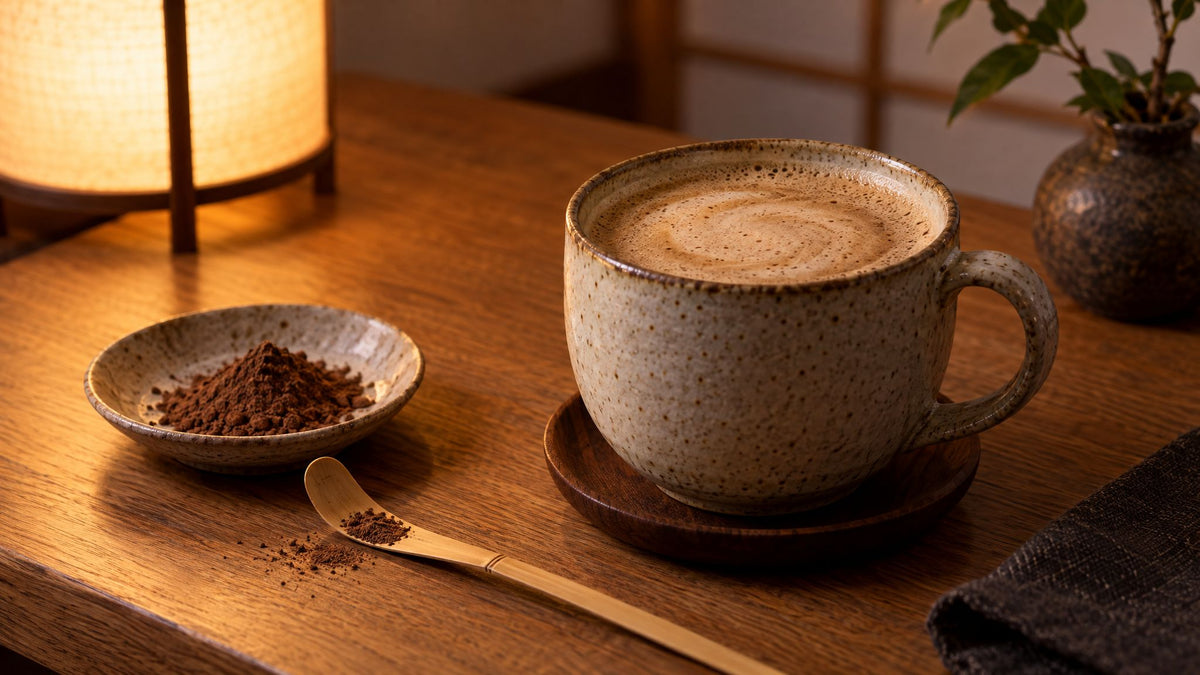
Whisk 2 g (about one level teaspoon) of hojicha powder into 40 ml of water at 90°C until smooth, then pour in 180 ml of steamed or cold milk. That is it: a creamy, toasty latte with roughly 16 to 30 mg of caffeine with our powder, about a third of a matcha latte.
In this guide
Recipe card
Hojicha latte
Ingredients
- 2 g hojicha powder (1 level teaspoon is about 2 g)
- 40 ml hot water, about 90°C
- 180 ml milk of your choice
- Honey, maple or brown sugar to taste (optional)
Method
Tap a step to tick it off.
- Sift the hojicha powder into a wide mug or bowl. Sifting is the single best way to avoid clumps.
- Pour in the hot water and whisk in a quick M or zigzag motion for 20 to 30 seconds until smooth and lightly foamy. A bamboo whisk or a small milk frother both work.
- Heat the milk to about 60°C and froth it, or keep it cold for iced.
- Hot: pour the milk over the hojicha. Iced: fill a glass with ice and cold milk, then pour the hojicha over the top.
- Sweeten to taste. Hojicha is naturally sweet, so start with less than you would for matcha.
Why hojicha makes such a good latte
Hojicha (ほうじ茶) is Japanese green tea roasted until the leaf turns reddish brown. And honestly, that roast is the whole secret. The grassy notes turn into caramel, toasted grain and a little cocoa, which is exactly what you want with milk.
It is also why hojicha lattes have become the evening drink in so many Melbourne cafes. All the cosiness of a coffee, a fraction of the caffeine.
Japanese tea sellers usually credit hojicha to Kyoto tea merchants in the early Shōwa era, roasting leaf that had not sold so it could still be used. Lovely story; even Japanese sources say there is no official record of the first roast.
Hojicha latte or matcha latte?
Our tasting notes, scored 1 to 5. Caffeine from Japan's food tables.
Caramel, cocoa, cosy.
Fresh, green, a little brisk.
Powder or loose leaf?
The loose leaf method works fine. Just use about 150 ml of milk instead of 180 ml so the tea is not drowned out.
The best milk for a hojicha latte
Barista versions froth far better than regular cartons.
How much caffeine is in a hojicha latte?
Less than matcha, but not none. Japan's official food composition tables give brewed hojicha about 20 mg of caffeine per 100 ml, the same as sencha. With powder you drink the whole leaf, so it depends on how much you use. Our Hojicha Powder carries 16 to 30 mg in a 2 g serve because it is stem forward, and stems carry less caffeine than leaf.
Cafe vs home
A hojicha latte at home costs about $1.60: 2 g of powder at $25.99 for 50 g is $1.04, plus about 50 cents of milk. In a cafe, expect to pay what a matcha latte costs, which averaged $8.79 in Square's 2026 Australian data. Five a week at home saves you well over a thousand dollars a year.
Five variations to try
Brown sugar hojicha
A spoon of brown sugar syrup in the glass before the milk. Like a toffee latte.
Hojicha cold foam
Shake 1 g hojicha powder with 60 ml cold cream and a little syrup. Spoon over iced milk.
Vanilla hojicha
A few drops of vanilla in the milk. Very dessert, very good.
Hojicha affogato
A double strength shot (2 g in 30 ml) over vanilla ice cream.
Dirty hojicha
Add a shot of espresso if you want the caffeine back.
Fixing clumps and a thin latte
Monthly Google searches in Australia. Steady all year, with a bump in spring and early summer.
Peak month for hojicha latte: Oct. Quietest: Dec.
Google Ads Keyword Planner, Australia, all languages, Google Search. Monthly figures are Google estimates, rounded into ranges.Questions people ask
How do you make a hojicha latte?
Does a hojicha latte have caffeine?
Is hojicha latte better than matcha latte?
What milk is best for a hojicha latte?
Can I make a hojicha latte with loose leaf?
Can you drink hojicha latte at night?
Melissa Tzountzourkas
Tea taster in training, Teafy
Melissa is training as a Teafy tea taster and has three years of tasting behind her. She writes the Teafy recipes: drinks and bakes that work in a normal Australian kitchen, judged for flavour, colour and fuss.
Sources
- Japan Standard Tables of Food Composition (日本食品標準成分表 八訂 増補2023), caffeine in tea infusions, via 全農 茶ガイド
- MEXT Food Composition Database, matcha (16035): caffeine 3.2 g per 100 g
- Australian Institute of Sport, caffeine content of common foods and drinks
- ChannelLife, Australia coffee sales fall as prices climb higher, Square data, 2026
- Google Ads Keyword Planner, Australia, searches October 2025 to September 2026, checked 11 November 2026
We update this page when the numbers change, and date every change here.
Teas in this guide
Keep reading
 Genmaicha milk tea
 Best milk for matcha
 Matcha tiramisu
 Genmaicha, explained